
Government agencies, defense contractors, and critical-infrastructure operators face a requirement most drone vendors cannot meet: the aircraft itself has to be approved. Federal rules under the National Defense Authorization Act restrict agencies and many of their contractors from flying drones built by certain foreign manufacturers, and Florida applies its own approved-manufacturer list to state and local government purchases. Blue Nose Aerial Imaging of Tampa Bay has a Department of Defense Blue UAS Cleared List compliant drone and flies compliant missions across Florida.
What NDAA compliance and Blue UAS mean
The National Defense Authorization Act restricts federal agencies, and contractors working on their behalf, from procuring or operating drones made by designated foreign manufacturers. The Blue UAS Cleared List, maintained by the Defense Innovation Unit, is the practical shorthand the industry uses: platforms on the list have been vetted for use on federal work. Florida adds a requirement of its own. State agencies and local governments in Florida are required to purchase and operate drones only from an approved-manufacturer list maintained by the state, which pushed many public fleets and their vendors to replace popular consumer platforms.
For a buyer, the takeaway is simple. If your project touches federal funding, defense work, a public agency, or critical infrastructure with platform requirements, the drone your vendor flies is part of your compliance picture, and you should ask about it before the contract is signed.
Who asks for it
We see platform requirements from four groups. Municipal and county governments in Florida need vendors whose aircraft align with the state’s approved list. Defense contractors flow platform restrictions down to subcontractors and site-services vendors. Utilities and energy operators apply platform policies on substations, transmission corridors, and generation sites. Port, airport, and other critical-infrastructure operators write platform requirements into vendor agreements even where no statute forces the issue.
What we fly on a compliant platform
Our compliant platform covers the visual and thermal inspection work that makes up most compliant-program demand:
- Roof inspections, visual and thermal, on government and institutional buildings.
- Building envelope and facility inspections, including HVAC and mechanical equipment on rooftops.
- Infrastructure inspections, covering cell towers, utility poles, and bridges with organized photo documentation.
- Utility and substation thermal work, where radiometric imaging flags overheating components on energized equipment.
- Solar array thermal inspections, panel-level anomaly detection on institutional and utility installations.
- Photo and video progress documentation on public construction projects.
The thermal sensor on the compliant platform is radiometric, so each anomaly is reported with a temperature reading, and our thermal imaging guide explains how we structure those deliverables.
Where a compliant platform is the wrong fit
We tell buyers this before booking rather than after. Our mapping-capable payloads, including orthomosaic production and LiDAR, do not fly on the compliant platform. A project that requires those deliverables under a strict platform mandate needs a different conversation, and we will say so on the first call rather than force a fit. Projects without a platform mandate run on our standard aircraft, where the full service line applies. Our commercial drone services overview covers that full line.
How we run compliant work
At Blue Nose Aerial Imaging of Tampa Bay, our FAA Part 107 certified pilots fly compliant missions statewide from our Tampa Bay base. We document the platform for your vendor file, plan each flight around the site’s airspace and security requirements, and deliver organized photo sets, thermal reports, and condition summaries in the format your program requires. Our drone inspection overview shows how these missions fit alongside our commercial inspection work, and our cell tower inspection article covers the tower-specific program in detail.
If your agency or program carries a platform requirement, we can meet it without sending you to a national vendor.
Frequently Asked Questions
What is the Blue UAS Cleared List?
The Blue UAS Cleared List is a list of drone platforms vetted by the Defense Innovation Unit for use on federal work. Agencies and contractors use it as the practical standard for NDAA-aligned procurement, and many state and private programs reference it in their own vendor requirements.
Does Florida have its own drone platform rules?
Yes. Florida requires state agencies and local governments to purchase and operate drones only from an approved-manufacturer list maintained by the state. Vendors flying for Florida public agencies need aircraft that align with that list.
Can you document platform compliance for our vendor file?
Yes. We provide the platform documentation your procurement or security team needs, and we plan each mission around your site’s access and security requirements.
Is thermal imaging available on the compliant platform?
Yes. The compliant platform carries a radiometric thermal sensor, so roof, solar, and electrical thermal inspections deliver temperature-tagged findings the same way our standard thermal work does.
Can you produce maps or LiDAR data on the compliant platform?
No. Our mapping and LiDAR payloads fly on our standard aircraft only. We confirm the requirement up front, and if your platform mandate excludes those payloads we will tell you before any contract is signed.
Request a Compliant Inspection Program
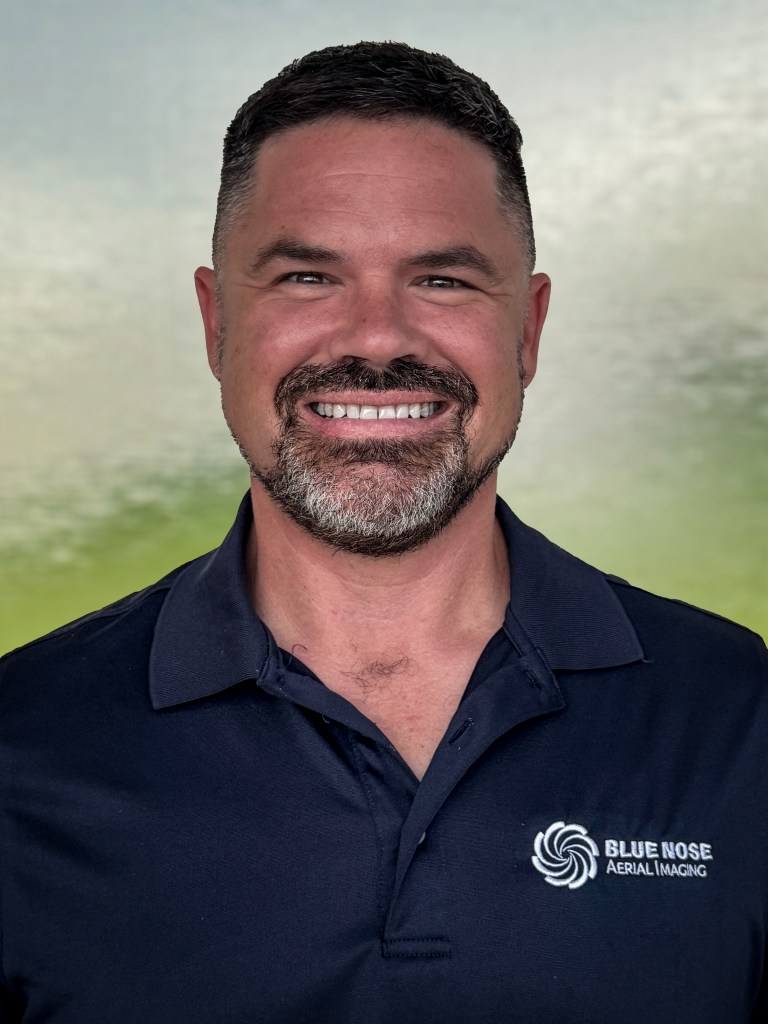
Rob Smith
Director of Operations, FAA Part 107 certified
Every inspection starts with a quick conversation. Rob Smith, our Director of Operations, will help you scope the right inspection and answer your questions on a call.
What to expect on the call:
- We learn about your property and what you need to document.
- We recommend the right inspection scope and timeline.
- You get a clear, no-pressure quote.
You can also reach the team at 941-376-3396.